

0 : Odsłon:
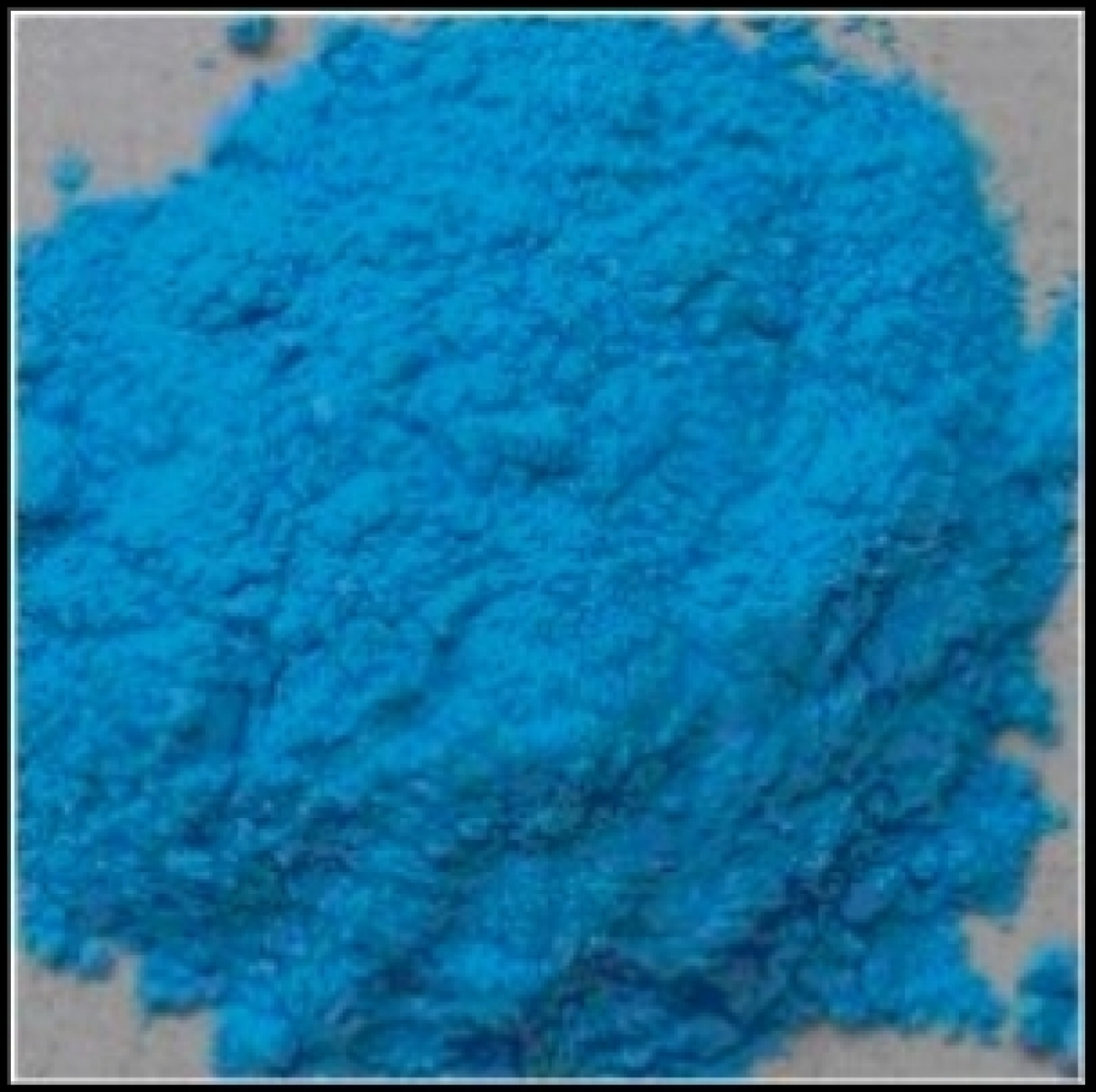
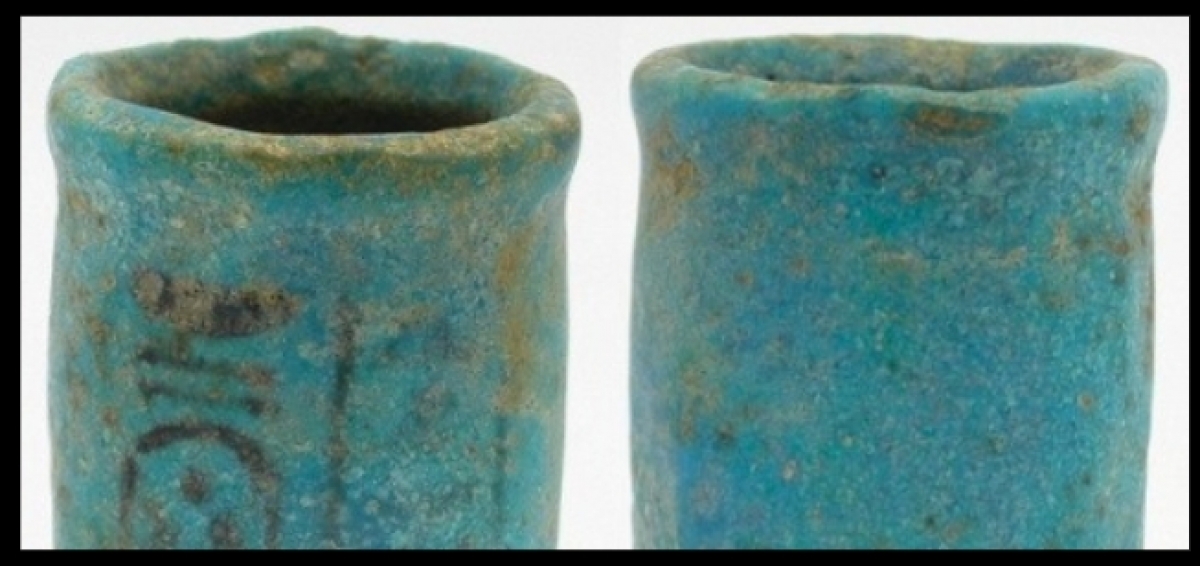
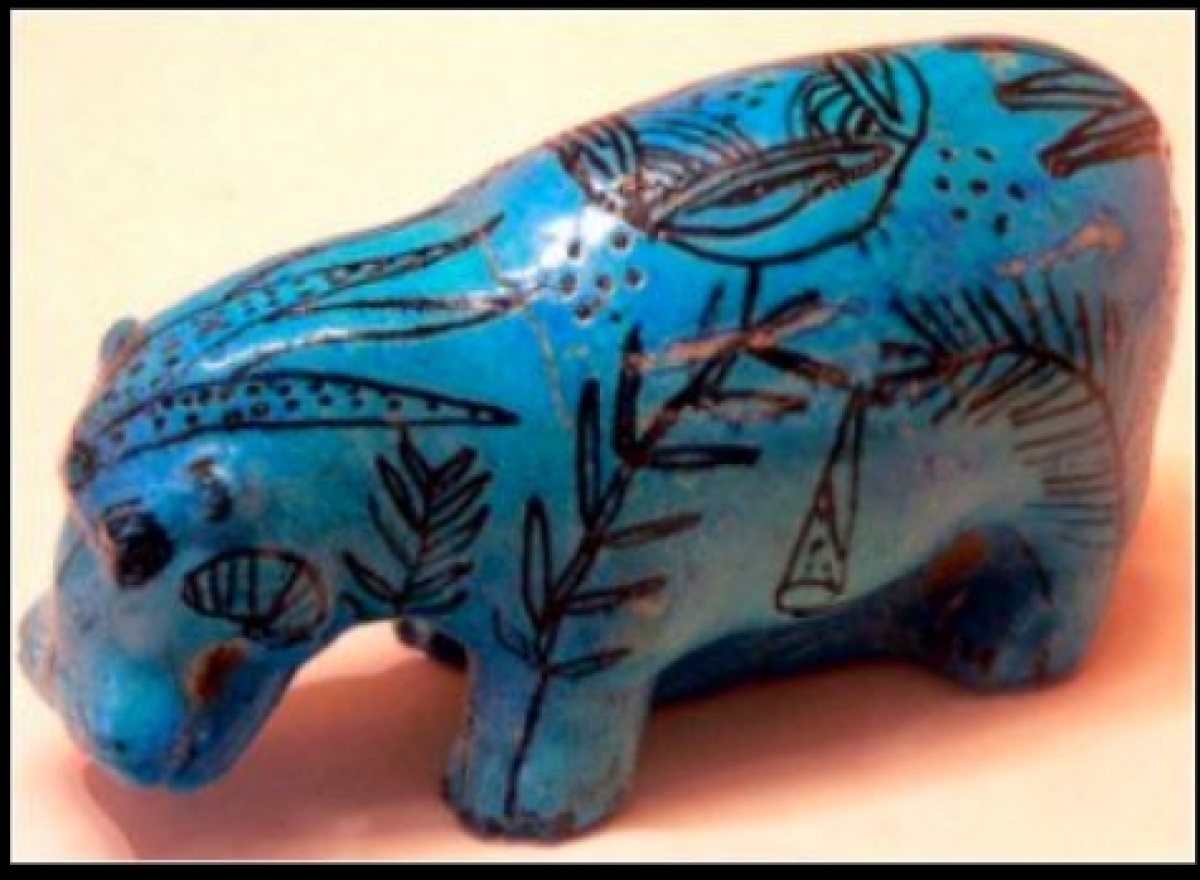
Egyptian Blue — the world's first synthetic pigment.
In Egyptian, the word < wAD > means "blue, blue-green, and green." For instance, in the Egyptian term for the Mediterranean — < wAD wr > "great green, blue-green, or blue."
The Egyptians, like many other ancient peoples, greatly valued the color blue. It may not have been feasible to the Egyptians to import large quantities of Lapis Lazuli from as far away as modern Afghanistan to grind up to use as a pigment.
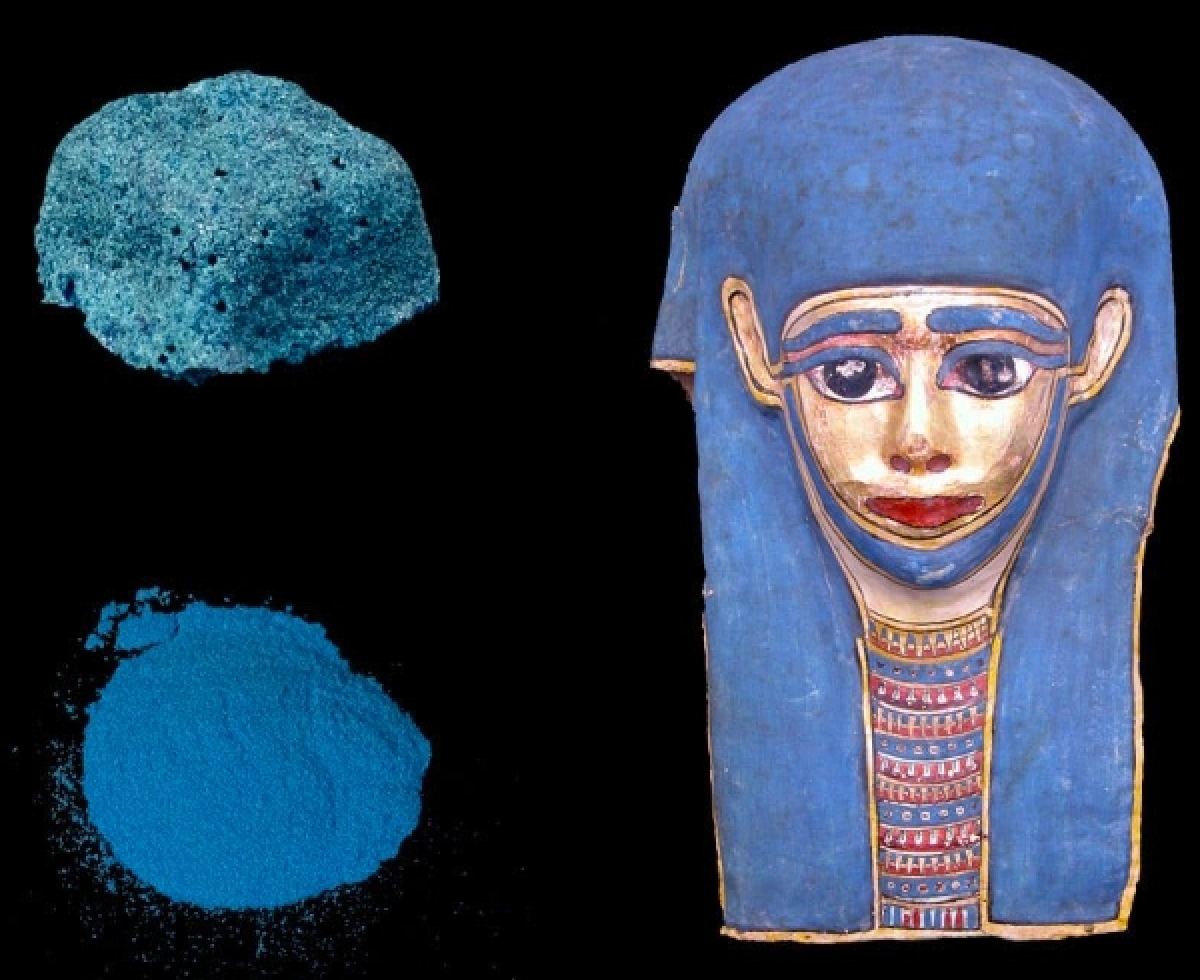
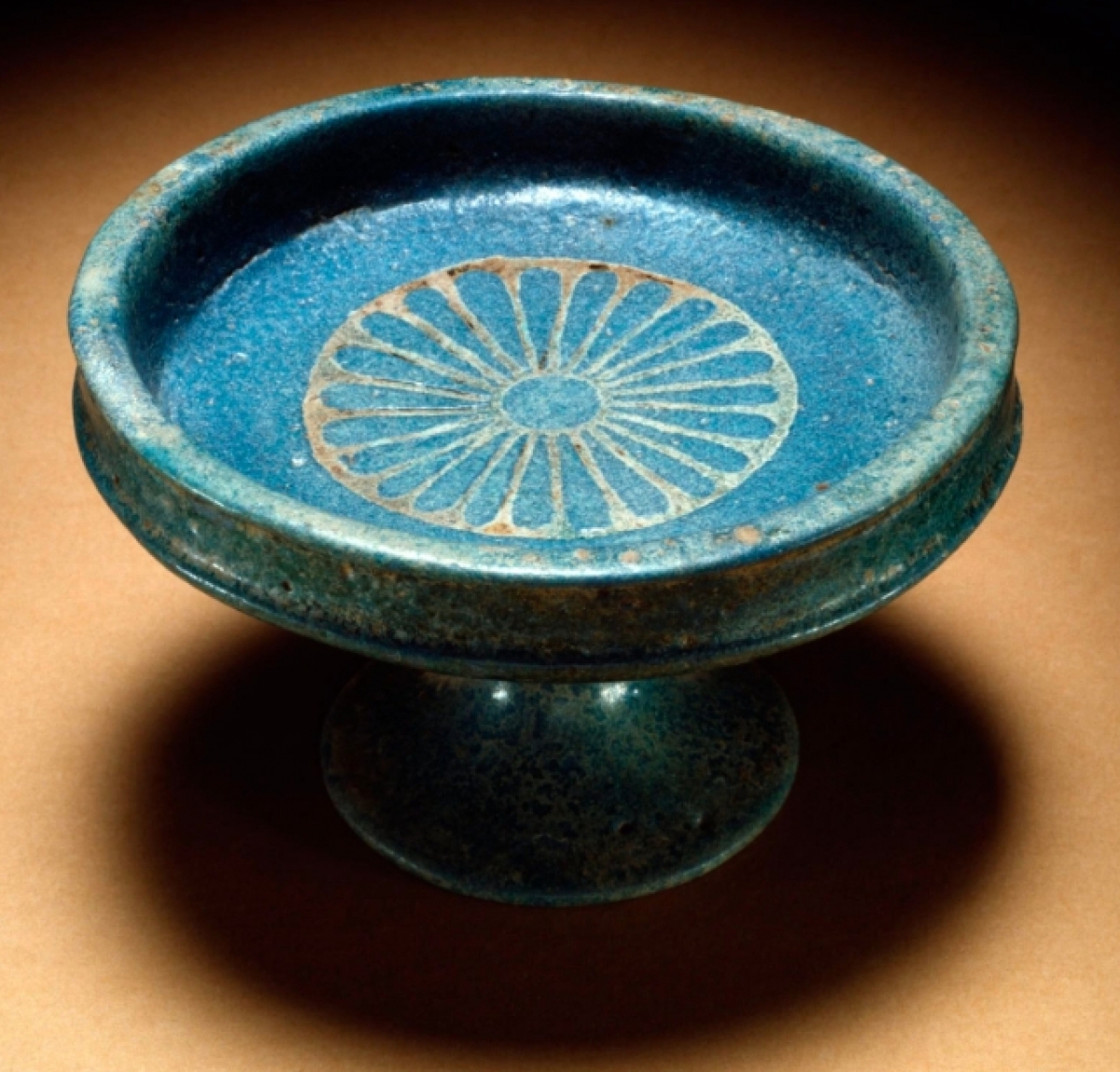
The oldest artifact known to be colored with Egyptian Blue is dated to the late pre-Dynastic Naqada III period (~ 3250 BCE) on an alabaster bowl excavated at Nekhen (Hierakonpolis). It's rather likely that the manufacture of Egyptian Blue predates this. The alabaster bowl is now housed in the Boston Museum of Fine Arts. In the Middle Kingdom (2050–1652 BCE) it continued to be used as a pigment in the decoration of tombs, wall paintings, furnishings, and statues, and by the New Kingdom (1570–1070 BCE) began to be more widely used in the production of numerous objects. Its use continued throughout the Late period and Greco-Roman period with the last known possible manufacture and use (for some centuries) being two Roman churches. In the first, the Church of San Clemente, the pigment appears in a Byzantine fresco The Ascension of Christ, dating from ca 850 CE. The poor quality of the pigment would tend to exclude it from being sourced from a reclaimed batch of genuine old Roman stock, so it seems that the pigment was most likely produced concurrently with the fresco. A mixture of Egyptian Blue and Lapis Lazuli also appeared in some 8th century wall paintings in the San Saba Church. This could also be the first occurrence of lapis lazuli as a pigment in European painting.
No written information exists in the Egyptian corpus about the manufacture of Egyptian blue, it was first mentioned only in Roman literature by Vitruvius during the 1st century BCE. He refers to it as "coeruleum." He described the manufacture of it in his work 'De Architectura' — grinding sand, copper, and natron, and heating the mixture, shaped into small balls, in a furnace. Lime is necessary for the production as well, but probably lime-rich sand was used. Theophrastus gives it the Greek term κύανος (kyanos, blue) which originally probably referred to lapis lazuli. Only in the beginning of the 19th century was interest renewed in learning more about its manufacture. The first recorded use of "Egyptian blue" as a color name in English was in 1809. Humphry Davy in 1815, W. T. Russell, and F. Fouqué all investigated its manufacture.
The process of making Egyptian Blue was thought to be lost to history. But modern scientists analyzed its chemistry and figured out how to recreate it. Egyptian blue is scientifically known as calcium copper silicate (CaCuSi4O10) or (CaOCuO[SiO2]4) - calcium copper tetrasilicate or 'cuprorivaite.' The manufacture of it is now known to be multi-phasal: heating together quartz sand, a copper compound, calcium carbonate, and a small amount of an alkali (ash from salt-tolerant, halophyte plants or natron) at temperatures ranging between 800 and 1,000 °C (1,470 and 1,830 °F) (depending on the amount of alkali used) for several hours.
It is not believed the Egyptians were aware of the need for lime in the manufacture of Egyptian Blue, but that it was a natural by-product of some other material used in the process. It is also not known the exact source of the copper before the New Kingdom era. During and after the New Kingdom era, different types of bronze filings were used.
Egyptian Blue has been found in 3rd Milienium BCE West Asia as artifacts and inlays, but not as a pigment. It was found in the Mediterranean area at the end of the Middle Bronze Age, and traces of tin were found in its composition which suggests the use of bronze scrap instead of copper ore as the source of copper. Egyptian Blue was used extensively during the Roman period — a pot containing the unused pigment was unearthed in 1814 in Pompeii attests to this. It has also been found as unused pigment in the tombs of a number of ancient painters. Etruscans also used it in their wall paintings. Chinese blue is related and is suggested as having Egyptian roots. In 2009, researchers reported evidence for the use of Egyptian Blue in an 11th century mural altarpiece in the Church of Sant Pere at Terrassa in Spain. Egyptian Blue was used by Medieval painter Raphael in his painting, Triumph of Galatea. Other Medieval painters used the pigment as well.
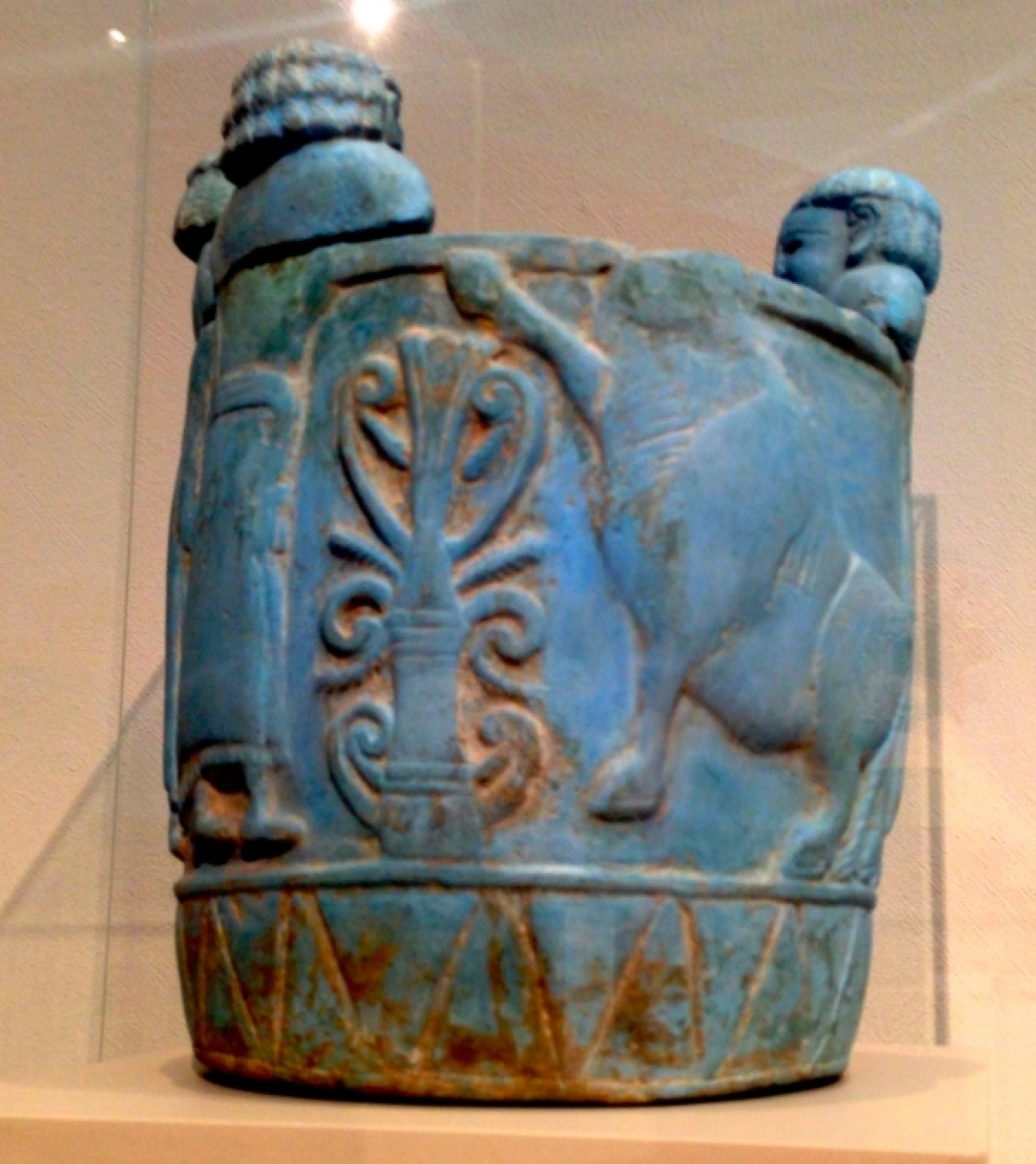
A few examples of Egyptian Blue are shown below. If you'd like to know more, please feel free to use your favorite search engine to learn much more.
: Wyślij Wiadomość.
Przetłumacz ten tekst na 91 języków
: Podobne ogłoszenia.
Telewizja elektroniczna została po raz pierwszy pomyślnie zademonstrowana w San Francisco 7 września 1927 r.
Telewizja elektroniczna została po raz pierwszy pomyślnie zademonstrowana w San Francisco 7 września 1927 r. JEDNAK pierwszym pomysłem na podzielenie ruchomego obrazu na linie i ramki, a tym samym przygotowanie do transmisji elektrycznej, był opracowany…
Implanty mózgu. Kontrowersyjny materiał w eksperymentach na ludziach.
Implanty mózgu. Kontrowersyjny materiał w eksperymentach na ludziach. Ten projekt CIA dla podprojektu MK Ultra 142 opisuje kontrolę zwierząt poprzez stymulowanie elektrod mózgowych. Ogólny cel był jasny: kontrola umysłu i zachowania oraz różnicowanie…
Naturalna viagra.
Naturalna viagra. Grecka Ikaria należy do jednej z niebieskich stref, których mieszkańcy słyną z długowieczności. Według szefowej kuchni i autorki książek, która ma greckie korzenie, ich sekretem jest jeden, wyjątkowo słodki składnik pożywienia.…
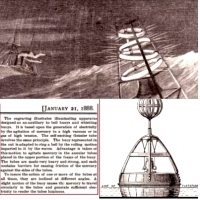
Samoświetlna boja.
Samoświetlna boja. „Rury przez cały czas są nachylone pod różnymi kątami. Niewielki ruch boi powoduje, że rtęć porusza się po okręgu w rurach i generuje wystarczającą ilość energii elektrycznej, aby lampy świeciły”. The Scientific American 1888…
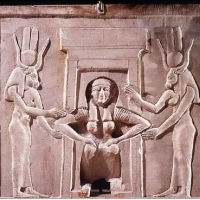
Wyrzeźbiona w wapieniu tablica przedstawiająca kobietę rodzącą.
Epoka Ptolemeusza, Kalifornia. 305 - 30 p.n.e., Wyrzeźbiona w wapieniu tablica przedstawiająca kobietę rodzącą. ZNALEZIONO W KOMPLEKSIE ŚWIĄTYNNYM DENDERA W DENDERA W EGIPT. Tablica ta przedstawia kobietę na krześle porodowym, której towarzyszą dwie…
Gigantyczna starożytna istota.
Gigantyczna starożytna istota. Gigant o 2 głowach i prawie 4 metry wysokości znaleziony na ziemiach w Patagonii. Wieki temu te gigantyczne istoty chodziły po Ziemi i wchodziły w interakcje z ludźmi. Poziom technologii i duchowości starożytnych cywilizacji…
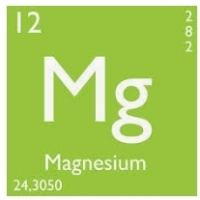
Magniy hujayrali biokimyoviy jarayonlardagi funktsiyalari:
Magniy hujayrali biokimyoviy jarayonlardagi funktsiyalari: Magniyning hujayradagi asosiy roli 300 dan ortiq fermentativ reaktsiyalarning faollashishi va adenil siklazni faollashtirish orqali yuqori energiyali ATP aloqalarining shakllanishiga ta'sir…

Mhaolú liachta ortaipéideacha antraipeatúil, maolú Sualainne:
Mhaolú liachta ortaipéideacha antraipeatúil, maolú Sualainne: Beag beann ar an gcruth próifílithe, a thacaíonn le scíthe nó le crapadh, teannann sé na matáin muineál, tá an t-insliú nó an líneáil stiúrtha teasa an-tábhachtach. Go dtí seo, níor dhéileáil…
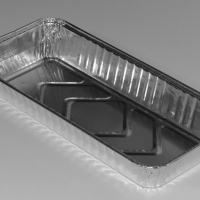
HI-PACK. Producent. Folie aluminiowe, opakowania.
HI-PACK to marka nowoczesnych jednorazowych opakowań aluminiowych przeznaczonych dla przemysłu spożywczego, a w szczególności dla piekarnictwa i przetwórstwa mięsnego. Foremki HI-PACK są lekkie, sztywne i skutecznie chroniące artykuły spożywcze przed…
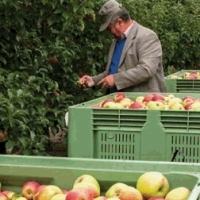
PRODUKCJA OWOCÓW. SPRZEDAŻ OWOCÓW. SAD JABŁONI.
: : : : : : : : : : : : : : : : : : : : : : : : : : : : : : : : : : : : : : : : : : : : : : : : : Opis. Firma Świeży Owoc Sp. z o. o. zajmuje się produkcją owoców oraz ich sprzedażą. Naszym głównym celem jest wspólne planowanie produkcji oraz jej…
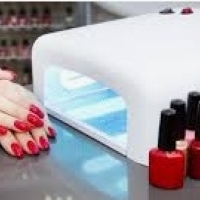
5 preparações necessárias para o cuidado das unhas:
5 preparações necessárias para o cuidado das unhas: O cuidado das unhas é um dos elementos mais importantes no interesse de nossa aparência bonita e bem cuidada. Unhas elegantes dizem muito sobre um homem, mas também testemunham sua cultura e…

Walizka
: : : : : : : : : : : : : : : : : : : : : : : : : : : : : : : : : : : : : : : : : : : : : : : : : Opis. : : : : : : : : : : : : : : : : : : : : : : : : : : : : : : : : : : : : : : : : : : : : : : : : : DETALE HANDLOWE: : Kraj: ( Polska ) : Zasięg…
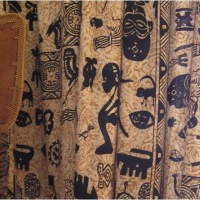
Teoria Strzałek. RORATY {stary i świecki wierszyk staroświecki}. TS141
RORATY {stary i świecki wierszyk staroświecki} Mróz na oknie wyciął kwiaty, Idzie babcia na roraty. Czy to z bliska, czy też z dala, Na roraty zapierdala ! > : Poprzedni rozdział: Następny rozdział: : Automat tłumaczył ten tekst na 91 języków…
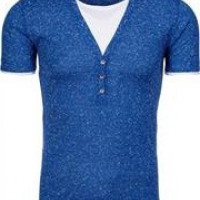
T-shirt męski koszulka Blue
: : : : : : : : : : : : : : : : : : : : : : : : : : : : : : : : : : : : : : : : : : : : : : : : : Opis. : : : : : : : : : : : : : : : : : : : : : : : : : : : : : : : : : : : : : : : : : : : : : : : : : DETALE HANDLOWE: : Kraj: ( Polska ) : Zasięg…
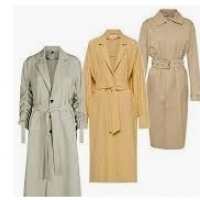
Giunsa pagpili ang sinina sa babaye alang sa imong numero:
Giunsa pagpili ang sinina sa babaye alang sa imong numero: Ang matag us aka aparador nga aparador sa babaye kinahanglan adunay espasyo alang sa usa ka maayong pagkahan-ay ug hingpit nga napili nga sinina. Kini nga bahin sa wardrobe nagtrabaho parehas…
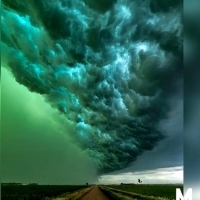
Zanim we wtorek 5 lipca w Południowej Dakocie przetoczyła się ciężka pogoda, mieszkańcy Sioux Falls byli świadkami niezwykle rzadkiego zjawiska:
Zanim we wtorek 5 lipca w Południowej Dakocie przetoczyła się ciężka pogoda, mieszkańcy Sioux Falls byli świadkami niezwykle rzadkiego zjawiska: zielonego nieba. Dlaczego pojawia się zielone niebo, nie jest w pełni zrozumiałe, donosi Scientific American.…
ROWAG. Producent. Urządzenia dla przemysłu paszowego.
Zakład Projektowo-Wdrożeniowy ROWAG istnieje od 1990 roku. Jesteśmy uznaną na rynku firmą, zajmującą się produkcją maszyn przemysłowych - urządzeń dla przemysłu paszowego i rolno-spożywczego. Nasza siedziba znajduje się w miejscowości Rogoźno…
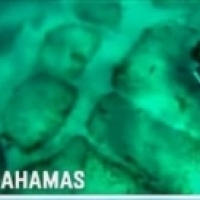
Te formacje skalne powstały setki milionów lat temu i są wynikiem pękania skał, a następnie erozji.
Oficjalna geologia mówi, że nie są one w 100% stworzone przez człowieka: Te formacje skalne powstały setki milionów lat temu i są wynikiem pękania skał, a następnie erozji. Na przykład koczowniczy lud żyjący na Tasmanii przed naszą erą nie miał czasu na…
12 Архангелҳо ва иртиботи онҳо бо аломатҳои зодиак:
12 Архангелҳо ва иртиботи онҳо бо аломатҳои зодиак: Бисёре аз матнҳои динӣ ва фалсафаҳои рӯҳонӣ мегӯянд, ки нақшаи тартибот таваллуди моро дар вақти муайян ва макони муайян ва аз ҷониби волидони мушаххас танзим мекунад. Аз ин рӯ, санаҳое, ки мо зодрӯз…
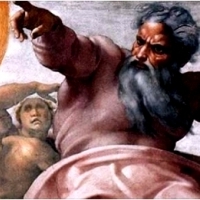
Istoty, które nazwały siebie bogami.
Istoty, które nazwały siebie bogami. „Bóg” opisany w chrześcijaństwie jest bardzo daleki od Boga. Jest mściwy i nieporęczny. Morduje, grozi i żąda od wybranego ludu wszelkiego rodzaju prezentów. Często się denerwuje i oczywiście w większości przypadków…

Feidhmeanna maignéisiam i bpróisis bhithcheimiceacha cheallacha:
Feidhmeanna maignéisiam i bpróisis bhithcheimiceacha cheallacha: Is é an príomhról atá ag maignéisiam sa chill ná breis agus 300 imoibriú einsímeach a ghníomhachtú agus an tionchar ar fhoirmiú bannaí ATP ardfhuinnimh trí chicse adenyl a ghníomhachtú. Ina…
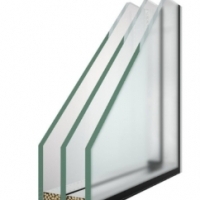
BOJAR. Producent. Szyby zespolone.
Powstaliśmy w Ełku w 1997 roku. Na początku działalności naszym podstawowym założeniem była dystrybucja profili PCV oraz akcesoriów do produkcji okien. Od 2000 roku podjęliśmy współpracę z producentem profili aluminiowych, dzięki której nasza spółka…
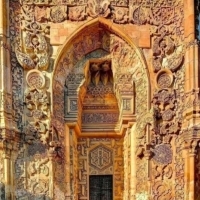
Portal Wielkiego Meczetu i Szpitala Divriği.
Portal Wielkiego Meczetu i Szpitala Divriği. Ten region Anatolii był zamieszkany przez Turków na początku XI wieku. W latach 1228–29 Emir Ahmet Szach założył w Divrigi meczet wraz ze szpitalem. Portal der Großen Moschee und des Krankenhauses…

Distribución, procesamento e almacenamento de ións de magnesio no corpo humano:
Distribución, procesamento e almacenamento de ións de magnesio no corpo humano: Nun corpo humano que pesa 70 kg hai aproximadamente 24 g de magnesio (este valor varía de 20 g a 35 g, segundo a fonte). Aproximadamente o 60% desta cantidade está no óso, o…
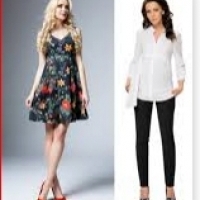
Ідэальная адзенне для асаблівага выпадку:
Ідэальная адзенне для асаблівага выпадку: Кожны з нас зрабіў гэта: ідзе вяселле, хрышчэнне, нейкая цырымонія, мы павінны правільна апрануцца, але, вядома, няма чаго рабіць. Мы ідзем у краму, купляем тое, што ёсць, а не тое, што хочам. Мы сапраўды не…
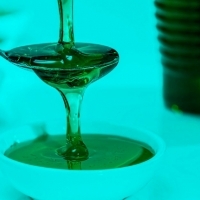
Ka ahatia to tinana ka tiimata koe ki te kai i te honi i ia ra i mua i te moe? Triglycerides: Honey: Tryptophan:
Ka ahatia to tinana ka tiimata koe ki te kai i te honi i ia ra i mua i te moe? Triglycerides: Honey: Tryptophan: Ko te nuinga o tatou e mohio ana ka taea te whakamahi i te honi ki te whawhai i nga makariri tae atu ki te whakamakuku i o maatau kiri,…
: Wyróżnione.

Make Money Online: Passive…

NASA conducts «End Of The…
The Diesel Riddle: The Diesel…
The mystery ceremony of…
The dream of eternal youth is…
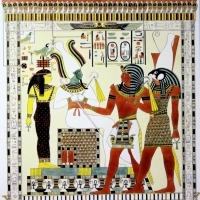
Ceremonia Misterium…

Your legs are getting heavy,…
Jc.jd.daaizaza TIAGO I…
…

Make Money Online: Passive…

bKIqf3fh8t0 4SEASONS stop…
: DETALE HANDLOWE: W przypadku…

BIOLOGIA czyli bicie piany:…

Make Money Online: Passive…

Make Money Online: Passive…

Make Money Online: Passive…

MamboJumbo Earn Money Online…

Make Money Online: Passive…

MamboJumbo Earn Money Online…
4SEASONS stop half step DIET…

Czy ładne kobiety są…
4SEASONS stop half step DIET…

applications needed to earn…