Nadmi
- Kraj:Polska
- : Język.:deutsch
- : Utworzony.: 06-10-15
- : Ostatnie Logowanie.: 28-09-26



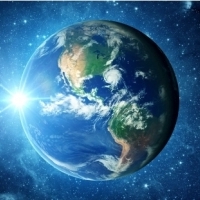
: Opis.: Earth energies and power lines Lines are literally rivers of energy that not only flow through the Earth but also between worlds and universes. They have been compared to veins, while others perceive them as a universal transport system. They are drawn to places they tune naturally to, known as node points. The ancients saw the stars as the main source of magical energy. The suns tend to be nodal points within the system for geomantic lines, but energy flows from them, not into them. Many magicians believe that there is a small point at the center of each star that intersects with the dimensionless space in which the 'Righteous' are held. Solar and lunar events provide irregular geomantic lines. In regions of intense gravity, such as pulsars and other "warped" stars, the energy of the straight lines tends to accumulate to a much greater extent. Ley's lines tend to follow the demands of gravity loosely, but are known to do extremely strange things. Nothing prevents these lines from running through the planet's core, underwater or solid objects. On a planetary scale, lines tend to form a network of fairly consistent lines based on all the magical hot spots across the planet. Just as lines gather around "holy places," they also follow psychic points. Sometimes these faint lines never merge with anything else and eventually overflow with the environment, but it is known that in many cases the weaker lines stick to the stronger ones, becoming a permanent addition to the web. Ley lines vary in intensity depending on the geographic composition of the area, such as mineral deposits, underground streams, and gravitational forces. Depending on the location, geomantic lines will either sustain or harm life. It has been discovered that there is water underneath every important holy place. However, there are two types of water. There is mirror water which is considered to be rainwater absorbed by the ground. The second is called "primary water", which is formed in the bowels of the earth as a by-product of various chemical reactions. This water is forced under pressure towards the Earth's surface, what dowsers call "domes." They can be described as geysers that do not reach the surface. The water continues its upward journey until it hits a layer of rock or clay. The pressure then pushes the water (horizontally) in what dowser-called veins through the cracks and fissures in the rocks. Primeval water can be found in every important holy place. When these water veins come to the surface, they are considered sacred wells, places of healing and spiritual contemplation. These sacred sites are deliberately located above primeval water as a result of use by our ancestors of dowsers. It is also known that streams of energy flow along them. The funnels of energy are typically six to eight feet wide, and are rivers of energy that run in a straight line. We have used the power of these adjustments since the dawn of time. Washington's Baly House is deliberately tuned to take full advantage of the power lines, utilizing the Lincoln Memorial, the Tidal Basin, and the Rotunda Dome above the capital. Source: Nicholas Roerich, Shambhala: In Search of a New Era, Rochester, VE: Inner Traditions, 1990 Energie Ziemi i Linie Energetyczne Linie są dosłownie rzekami energii, które nie tylko przepływają przez Ziemię, ale także między światami i wszechświatami. Porównywano je do żył , podczas gdy inni postrzegają je jako uniwersalny system transportu. Przyciągają ich miejsca, do których naturalnie się dostrajają, znane jako punkty węzłowe. Pradawni postrzegali gwiazdy jako główne źródło magicznej energii. Słońca mają tendencję do bycia punktami węzłowymi wewnątrz systemu dla linii geomantycznych, ale energia wypływa z nich, a nie do nich. Wielu magów wierzy, że w centrum każdej gwiazdy znajduje się mały punkcik, który przecina się z bezwymiarową przestrzenią, w której przetrzymywani są 'Prawieczni'. Zdarzenia słoneczne i księżycowe zapewniają nieregularne linie geomantyczne. W obszarach o intensywnej grawitacji, takich jak pulsary i inne „wypaczone” gwiazdy, energia linii prostych ma tendencję do gromadzenia się w znacznie większym stopniu. Linie Leya mają tendencję do luźnego podążania za wymaganiami grawitacji, ale wiadomo, że robią niezwykle dziwne rzeczy. Nic nie stoi na przeszkodzie, aby te linie przebiegały przez jądro planety, obiekty podwodne lub stałe. W skali planetarnej linie mają tendencję do tworzenia sieci dość spójnych linii opartych na wszystkich magicznych gorących punktach na całej planecie. Tak jak linie zbierają się wokół „świętych miejsc ” , tak samo podążają za punktami psychicznymi. Czasami te słabe linie nigdy nie łączą się z żadnymi innymi i ostatecznie wylewają się z otoczeniem, ale wiadomo, że w wielu przypadkach słabsze linie przyczepiają się do silniejszych, stając się trwałym dodatkiem do sieci. Linie Ley różnią się intensywnością w zależności od składu geograficznego obszaru, takiego jak złoża mineralne, podziemne strumienie i siły grawitacyjne. W zależności od lokalizacji, linie geomantyczne albo podtrzymują życie, albo będą mu szkodzić. Odkryto, że pod każdym ważnym świętym miejscem jest woda. Istnieją jednak dwa rodzaje wody. Istnieje woda zwierciadlana, która jest uważana za wodę deszczową wchłanianą przez ziemię. Druga nazywana jest „wodą pierwotną”, która powstaje w trzewiach ziemi jako produkt uboczny różnych reakcji chemicznych. Woda ta jest wypychana pod ciśnieniem w kierunku powierzchni Ziemi, co różdżkarze nazywają „kopułami”. Można je opisać jako gejzery, które nie docierają na powierzchnię. Woda kontynuuje podróż w górę, aż uderzy w warstwę skały lub gliny. Ciśnienie następnie wypycha wodę (poziomo) w tak zwanym przez różdżkarzy żyłach przez pęknięcia i szczeliny w skałach. Wodę pierwotną można znaleźć pod każdym ważnym miejscu świętym. Kiedy te żyły wody wychodzą na powierzchnię, są uważane za święte studnie, miejsca uzdrawiania i kontemplacji duchowych. Te święte miejsca są celowo zlokalizowane nad wodą pierwotną w wyniku używania przez naszych przodków różdżkarzy. Wiadomo również, że przepływają wzdłuż nich strumienie energii. Leje energii mają zwykle szerokość od sześciu do ośmiu stóp i są rzekami energii, które biegną w linii prostej. Od zarania dziejów korzystaliśmy z mocy tych wyrównań. Waszyngton Baly Dom jest celowo dostosowany, aby w pełni wykorzystać moc linii energetycznych, wykorzystując pomnik Lincolna, basen Tidal Basin i kopułę Rotundy nad stolicą. Zródło: Nicholas Roerich, Shambhala: W poszukiwaniu nowej ery, Rochester, VE: Inner Traditions, 1990
: Data Publikacji.: 04-09-26
: Opis.: The forces of nature do not discriminate. One who has knowledge has power, be it the dark side or the light. On its darker side, we have Adolf Hitler. As part of his master plan for the Aryan race, Hitler studied folk customs and geomancy; to learn more about their Aryan ancestors first and then geomantically control Europe. In Germany, the Nazi magazine of Germanic culture, there were many articles by people like Josef Heinsch who wrote about things like holy verses. Hitler founded the Duetsche Ahnenerbe, the German Ancestral Heritage Organization, to study the spirit of the people, inhabited Nordic-Indogerman (Aryan) lands, and to interest other Germans. Wilhelm Teudt, head of the Ahnenerbe, worked closely with Heinrich, who was head of the feared Nazi SS. Teudt visited Himmler in Wewelsburg, the castle of the Grail of the SS in Saxony. Wewelsburg, Castle of the Grail of the SS in Saxony The circular Nordturm (North Tower) of this geomantically designed triangular castle was considered the "center of the earth". It was built to support the doctrines of the Nazi Aryan race. Himmler, Albert Speer, Hitler's architect, and other Nazis are experimenting with gemination all over Europe in an attempt to control this part of the world. The Fuhrerhauptquartier Wolfsschanze, Hitler's headquarters, was deliberately built on an ancient sacred power well at the crossroads of two routes. One example of the Nazis' belief in geomancy was during the German pursuit of Moscow. At one point, a unit of mountain troops was directed to place a Nazi flag on top of the strategically insignificant Mt. Elbruz. But for the Nazis, this mountain was very important. The Aryan Persians believed that Mt. Elbruz was a world mountain, the energy center of the Earth. Himmler was convinced that if the Nazi swastika had controlled Elbruz, they might have had better control of the Russians. When it was realized how fascinated the Nazis were with the occult, the Allies began to apply the same principles to undermine its powers. They enlisted the help of adepts to repair the damage done by the Nazi movement. For this reason, the Wellesley Tudor Pole initiated the "Silent Minute" in Great Britain during World War II. Every night at nine o'clock all Great Britain stopped for a minute and concentrated its energies on praying for peace. At this point, when all of Great Britain was one, it created a particularly clear channel between the visible and the invisible world. According to them, the spiritual realms were more than willing to come to the aid of those who fought against the people who used the energies of the Earth to conquer the world. What a powerful tool to mentally unite people! Most people are unaware how much of World War II was fought on these spiritual levels. (Bush also used the same concept, using schoolchildren to swear allegiance to the flag at a specific time each day after the WTC was attacked and went to war in Afghanistan.) Siły natury nie dyskryminują. Ten, kto ma wiedzę, posiada moc, czy to ciemnej strony, czy światła. Po jego ciemniejszej stronie mamy Adolfa Hitlera. W ramach swojego planu mistrzowskiego rasy aryjskiej Hitler badał ludowe zwyczaje i geomancję; aby najpierw dowiedzieć się więcej o swoich aryjskich przodkach, a później geomantycznie kontrolować Europę. W Niemczech, nazistowskim magazynie kultury germańskiej, było wiele artykułów takich ludzi jak Josef Heinsch, który pisał o takich rzeczach jak święte wersy. Hitler założył Duetsche Ahnenerbe, niemiecką Organizację Dziedzictwa Przodków, aby badać ducha ludu, zamieszkałej ziemi nordycko-indogermańskiej (aryjskiej) i zainteresować innych Niemców. Wilhelm Teudt, szef Ahnenerbe, ściśle współpracował z Heinrichem, który był szefem budzącego postrach nazistowskiego SS. Teudt odwiedził Himmlera w Wewelsburgu, zamku Graala SS w Saksonii. Wewelsburg, Zamek Graala SS w Saksonii Okrągła Nordturm (Wieża Północna) tego geomantycznie zaprojektowanego trójkątnego zamku uważana była za „środek ziemi”. Został zbudowany, aby wspierać doktryny nazistowskiej rasy aryjskiej. Himmler, Albert Speer, architekt Hitlera i inni naziści eksperymentują z geminacją w całej Europie, próbując kontrolować tę część świata. Fuhrerhauptquartier Wolfsschanze, główna kwatera Hitlera, została celowo zbudowana na starożytnej świętej studni mocy, na skrzyżowaniu dwóch szlaków. Jeden z przykładów wiary nazistów w geomancję miał miejsce podczas niemieckiej pogoni za zdobyciem Moskwy. W pewnym momencie oddział wojsk górskich został skierowany do umieszczenia flagi nazistowskiej na szczycie strategicznie nieistotnej góry Mt. Elbruz. Ale dla nazistów ta góra była bardzo ważna. Persowie, aryjscy, wierzyli, że Mt. Elbruz był światową górą, centrum energii Ziemi. Himmler był przekonany, że gdyby nazistowska swastyka kontrolowała Elbruz, mogliby lepiej kontrolować Rosjan. Kiedy zdano sobie sprawę, jak bardzo naziści byli zafascynowani okultyzmem, alianci zaczęli stosować te same zasady, aby podważyć jego moce. Zwerbowali pomoc adeptów, aby naprawić szkody wyrządzone przez ruch nazistowski. Z tego powodu Wellesley Tudor Pole zainicjował „Cichą Minutę” w Wielkiej Brytanii podczas II wojny światowej. Każdego wieczoru o dziewiątej cała Wielka Brytania zatrzymywała się na minutę i skupiała swoje siły na modlitwie o pokój. W tym momencie, gdy cała Wielka Brytania była jednością, utworzył szczególnie wyraźny kanał między światem widzialnym i niewidzialnym. Według nich królestwa duchowe były bardziej niż chętne, aby przyjść z pomocą tym, którzy walczyli z ludźmi, którzy wykorzystali Energie Ziemi do podboju świata. Cóż za potężne narzędzie do psychicznego zjednoczenia ludzi! Większość ludzi nie zdaje sobie sprawy, jak duża część II wojny światowej była toczona na tych duchowych poziomach. (Bush używał również tej samej koncepcji, używając dzieci w wieku szkolnym, aby przysięgały wierność fladze o określonej porze każdego dnia, po tym, jak WTC zostało zaatakowane i poszli na wojnę w Afganistanie).
: Data Publikacji.: 04-09-26
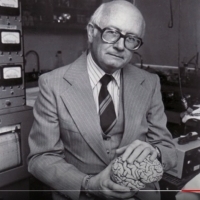
: Opis.: Answer the question who is the oldest frozen man? In the far reaches of the American desert, hundreds of frozen people await their second birth. These bodies float in triple thermos flasks in thermal insulation bags floating in liquid nitrogen. The name of these bottles is "wall". James Bedford's “Wall” is in the suburbs of Phoenix, Arizona, along with 145 other frozen bodies at the Alcor Life Extension Foundation. The concrete building of the Alcor Foundation is in an environment where the temperature exceeds 40 degrees Celsius for more than 8 months of the year; But Bedford and other people who are frozen in the center are kept at 200 degrees below zero with a lot of financial support from the center. James Bedford was a professor of psychology and a World War I veteran who traveled around Africa and the Amazon in the mid-20th century. If the technology needed to bring it back from the icy world were very advanced now, it would be 50 years of freezing. Bedford is the first and oldest man to be frozen. Hundreds of people have joined him since he pioneered the movement, hoping for a life in the future. The Alcor Life Extension Foundation currently has approximately 150 people cryopreserved as whole bodies or brains. Ironically, it hosts all of these "frozen people" (they prefer the vitreous term) to the hottest possible location in the US - Scottsdale, AZ. It's good that their large tanks can last 6-8 months without power or external sources before they run out of liquid nitrogen. Ponad 120 osób jest obecnie zamrożonych w banku zamrażania Alcor Foundation. Tajemnicza ceremonia zamieniania głów i sklejania ciała z wielu kawałków. Odpowiedz na pytanie, kto jest najstarszym zamrożonym człowiekiem?. W odległych zakątkach amerykańskiej pustyni setki zmarzniętych ludzi czekają na swoje drugie narodziny. Korpusy te unoszą się w potrójnych termosach w workach termoizolacyjnych pływających w ciekłym azocie. Nazwa tych butelek to „ściana”. „Ściana” Jamesa Bedforda znajduje się na przedmieściach Phoenix w Arizonie, wraz z 145 innymi zamrożonymi ciałami w Fundacji Alcor Life Extension. Betonowy budynek Fundacji Alcor znajduje się w środowisku, w którym temperatura przekracza 40 stopni Celsjusza przez ponad 8 miesięcy w roku; Ale Bedford i inni ludzie, którzy są zamrożeni w ośrodku, są utrzymywani w temperaturze 200 stopni poniżej zera z dużym wsparciem finansowym z ośrodka. James Bedford był profesorem psychologii i weteranem I wojny światowej, który w połowie XX wieku podróżował po Afryce i Amazonii. Gdyby technologia potrzebna do sprowadzenia go z lodowatego świata była teraz bardzo zaawansowana, obchodziłby 50 rok zamrażania. Bedford jest pierwszym i najstarszym człowiekiem, który został zamrożony. Setki ludzi dołączyło do niego, odkąd był pionierem ruchu, mając nadzieję na życie w przyszłości. Fundacja Alcor Life Extension ma obecnie około 150 osób w kriokonserwacji jako całe ciała lub mózgi. Jak na ironię, gości wszystkich tych „zamrożonych ludzi” (wolą oni określenie zeszklone) w najgorętszej możliwej lokalizacji w USA – Scottsdale, AZ. To dobrze, że ich duże zbiorniki mogą wytrzymać 6-8 miesięcy bez zasilania lub zewnętrznych źródeł, zanim zabraknie im ciekłego azotu.
: Data Publikacji.: 04-09-26
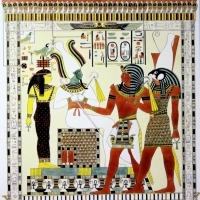
: Opis.: There are 13 signs of the zodiac, not 12, the thirteenth sign is called Ophiuchus. The thirteenth sign is the sign of Enki, the Sumerian god Serpentarius, known as the Serpent Bearer. The symbol of Ophiuchus takes the form of a man and a serpent, which is used today as a medical symbol. The 13th zodiac sign The constellation of Ophiuchus represents a man who lived in ancient Egypt in the 21st century BC and was called Imhotep, who, after Enki, brought people the art of healing. The snake symbol, which is widely used in medicine today, was used in the ancient world to represent Imhotep. Ophiuchus - a distinct constellation located in the region of the celestial equator. It is the eleventh in area in terms of area, its area is divided into two parts by the constellation Serpent. The number of stars visible to the naked eye is about 100. In Poland it is visible in summer. Jest 13 znaków zodiaku, a nie 12, trzynasty znak nazywa się Ophiuchus. Trzynasty znak to znak Enki, sumeryjskiego boga Serpentariusa, zwanego Wężem Nosicielem. Symbol Wężownika ma postać człowieka i węża, który jest dziś używany jako symbol medyczny. 13 znak zodiaku Konstelacja Wężownika przedstawia człowieka, który żył w starożytnym Egipcie w XXI wieku pne i nazywał się Imhotep, który po Enki przyniósł ludziom sztukę uzdrawiania. Symbol węża, który jest dziś powszechnie używany w medycynie, był używany w starożytnym świecie do reprezentowania Imhotepa. Wężownik – wyraźny gwiazdozbiór znajdujący się w rejonie równika niebieskiego. Jest jedenastym w kolejności pod względem powierzchni, jego obszar dzieli na dwie części konstelację Węża. Liczba gwiazd dostrzegalnych nieuzbrojonym okiem to około 100. W Polsce jest widoczny latem.
: Data Publikacji.: 04-09-26
© Web Powered by Open Classifieds 2009 - 2026